
World of Warcraft (WoW) has long been defined by the conflict between its two major factions: the Horde and the Alliance. This duality drives the game’s narrative, shaping the world of Azeroth and the experiences of its players. But the factions are more than opposing sides—they reflect the complex and multifaceted nature of Azeroth’s struggles, from ideological divides to themes of unity and division. Let’s explore how WoW’s factions embody the duality of the game’s conflicts and what this means for its storytelling.
The Origins of Faction Conflict
The roots of the Horde and Alliance rivalry lie in Azeroth’s earliest conflicts. The First War introduced the Orcish Horde, driven by survival and manipulation, against the human kingdoms of the Alliance, defending their lands from an otherworldly invasion.
Key Themes in the Early Conflict:
- Survival vs. Sovereignty: The Horde’s need for a new home clashed with the Alliance’s determination to protect their lands.
- Cultural Misunderstanding: Early encounters were marked by fear and mistrust, as neither side sought to understand the other.
- Manipulation by Greater Powers: The Burning Legion’s influence over the Orcs sowed seeds of chaos, escalating the conflict.
These themes set the stage for a rivalry that has defined Azeroth for decades.
Ideological Differences
The Horde and Alliance represent more than just opposing factions—they embody contrasting ideologies. These differences have fueled their conflict while highlighting the strengths and flaws of each side.
Contrasting Ideologies:
- The Alliance: Represents order, unity, and tradition, often focused on preserving the status quo and defending its citizens.
- The Horde: Symbolizes resilience, individuality, and survival, with its members banding together out of necessity rather than heritage.
- Common Ground: Both factions strive to protect their people, though their methods and priorities differ.
These ideological divides drive much of Azeroth’s narrative, providing depth to the conflict between factions.
Moments of Unity
Despite their rivalry, the Horde and Alliance have often united against common threats, such as the Burning Legion, the Scourge, and the Old Gods. These moments of cooperation highlight the duality of Azeroth’s conflicts: division versus the necessity of unity.

Examples of Faction Unity:
- The Battle for Mount Hyjal: Horde and Alliance forces joined together to defend Azeroth from Archimonde’s assault.
- Wrathgate: Both factions fought side by side against the Scourge, only for treachery to reignite their animosity.
- The Argus Campaign: The factions united to end the Legion’s threat once and for all.
These moments of alliance demonstrate that Azeroth’s survival often depends on setting aside differences for the greater good.
The Evolution of the Conflict
Over time, the conflict between the Horde and Alliance has evolved from simple battles to complex narratives that delve into morality, loyalty, and leadership. Expansions like *Battle for Azeroth* have explored the nuances of faction warfare, highlighting internal struggles and questioning the cost of war.
Key Narrative Developments:
- Internal Division: Both factions have faced internal conflicts, such as Sylvanas Windrunner’s divisive leadership or Anduin Wrynn’s struggle to maintain peace.
- War Crimes: Actions like the burning of Teldrassil and the bombing of Theramore challenge players to confront the moral ambiguities of their faction’s choices.
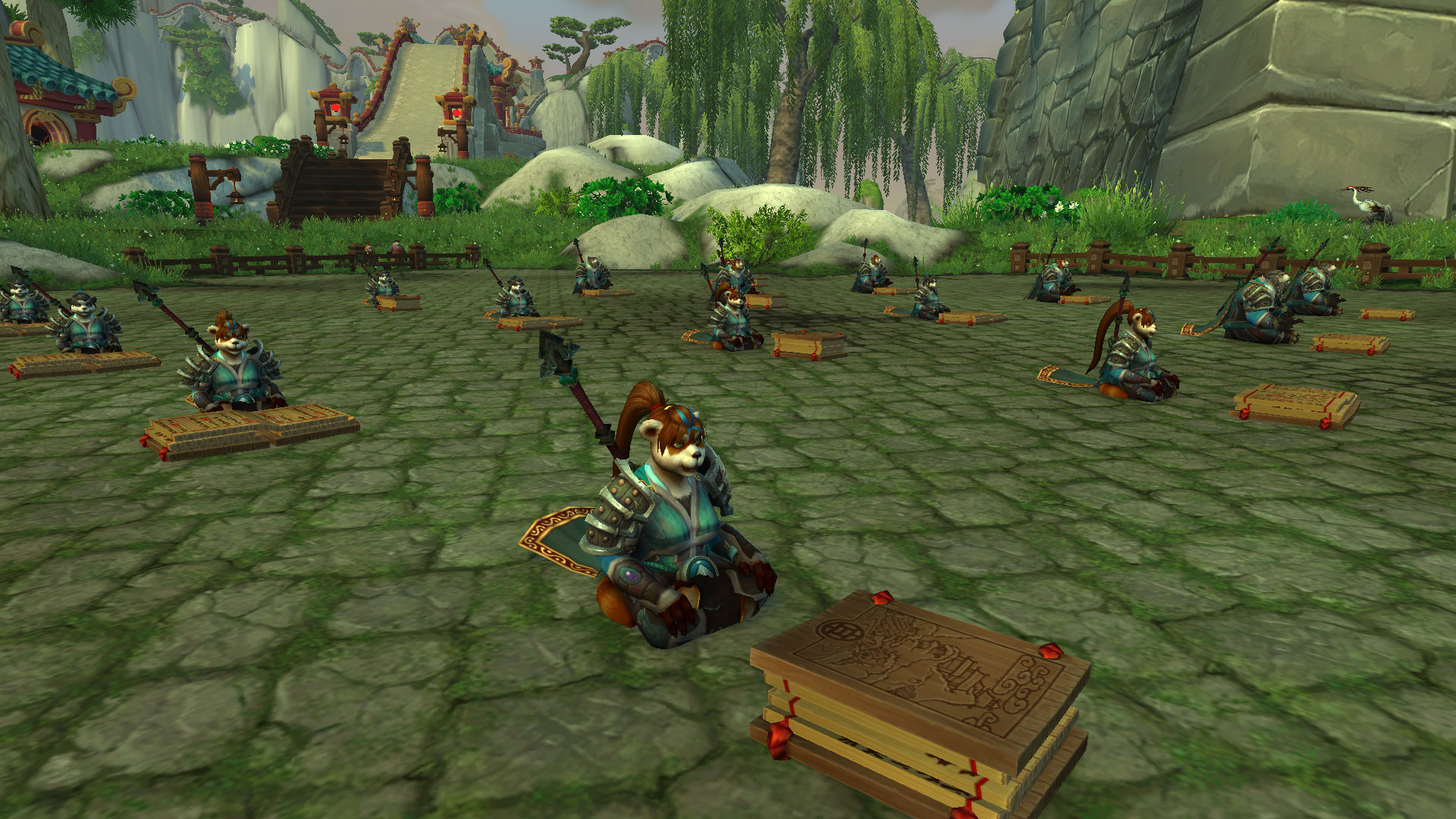
- New Alliances: Allied races and neutral factions, like the Pandaren, blur the lines between Horde and Alliance loyalties.
These complexities keep the faction narrative fresh and engaging, encouraging players to reflect on their own values.
Conclusion
The duality of the Horde and Alliance embodies the heart of Azeroth’s conflicts, balancing division with unity and tradition with resilience. By exploring these themes, WoW creates a world that feels alive and dynamic, offering players a deep connection to their chosen faction while challenging them to see the bigger picture. Whether fighting for the Horde or the Alliance, players are part of a narrative that reflects the complexities of Azeroth itself.
Home