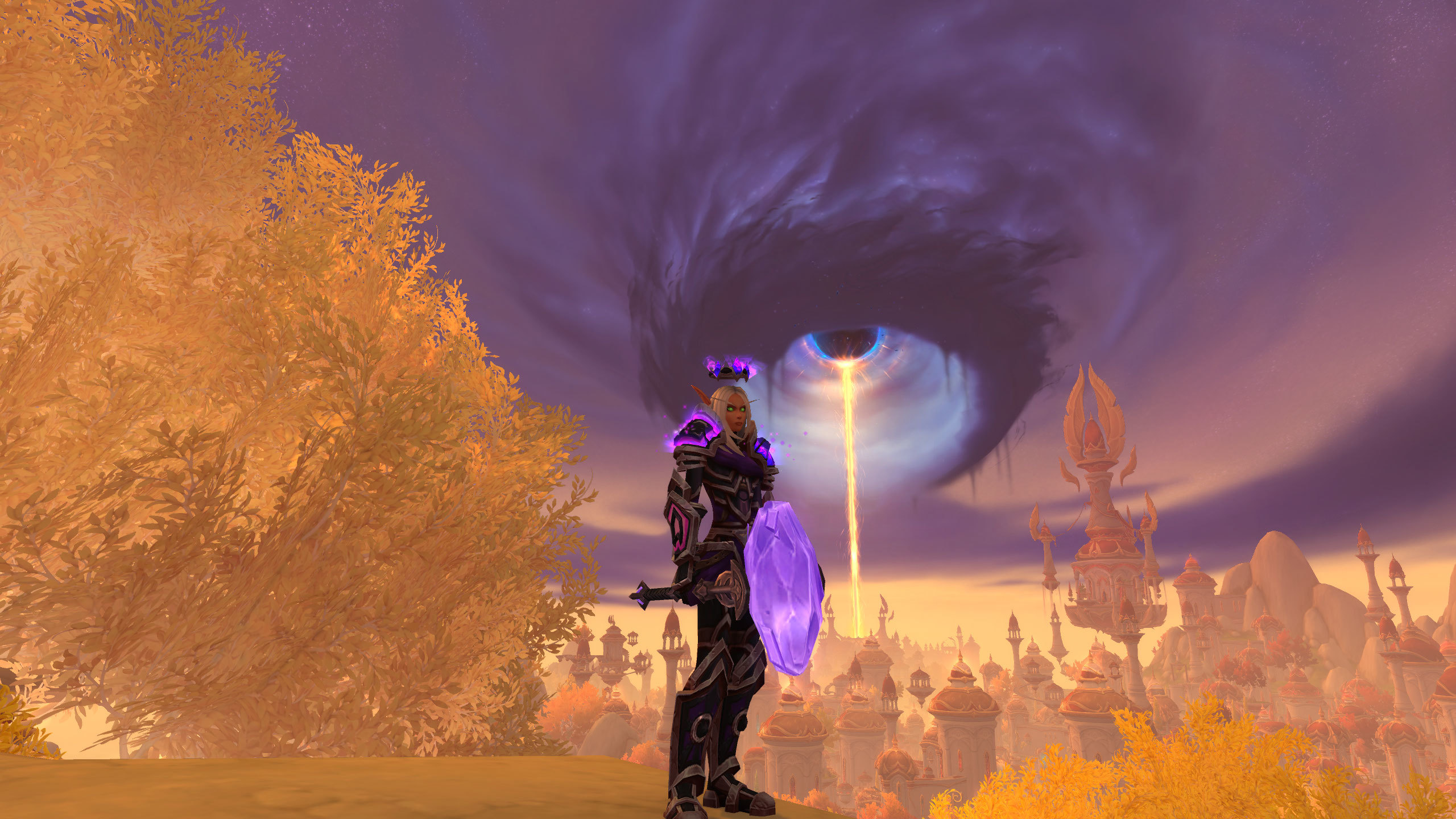
World of Warcraft excels at making the player feel like a small part of a massive, ancient history. While players eventually grow into powerful heroes, the game consistently places them against environments, creatures, and structures that dwarf their own avatar. This guide explores the design philosophy behind this sense of scale, breaking down how Blizzard uses architecture, environmental hazards, and giant entities to remind the player that Azeroth is a world ruled by forces far beyond their control.
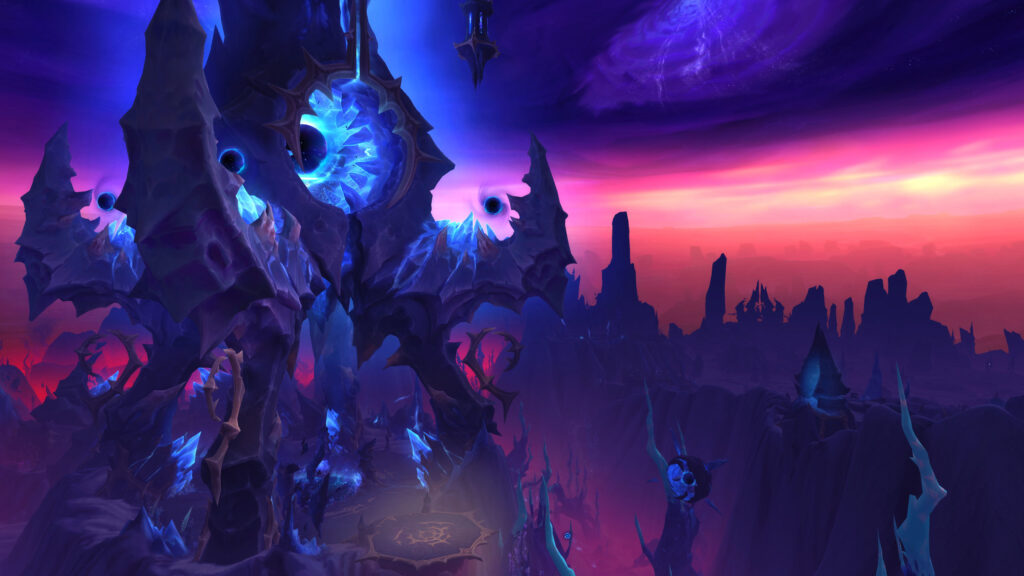
Architectural Grandeur as a Tool for Dread
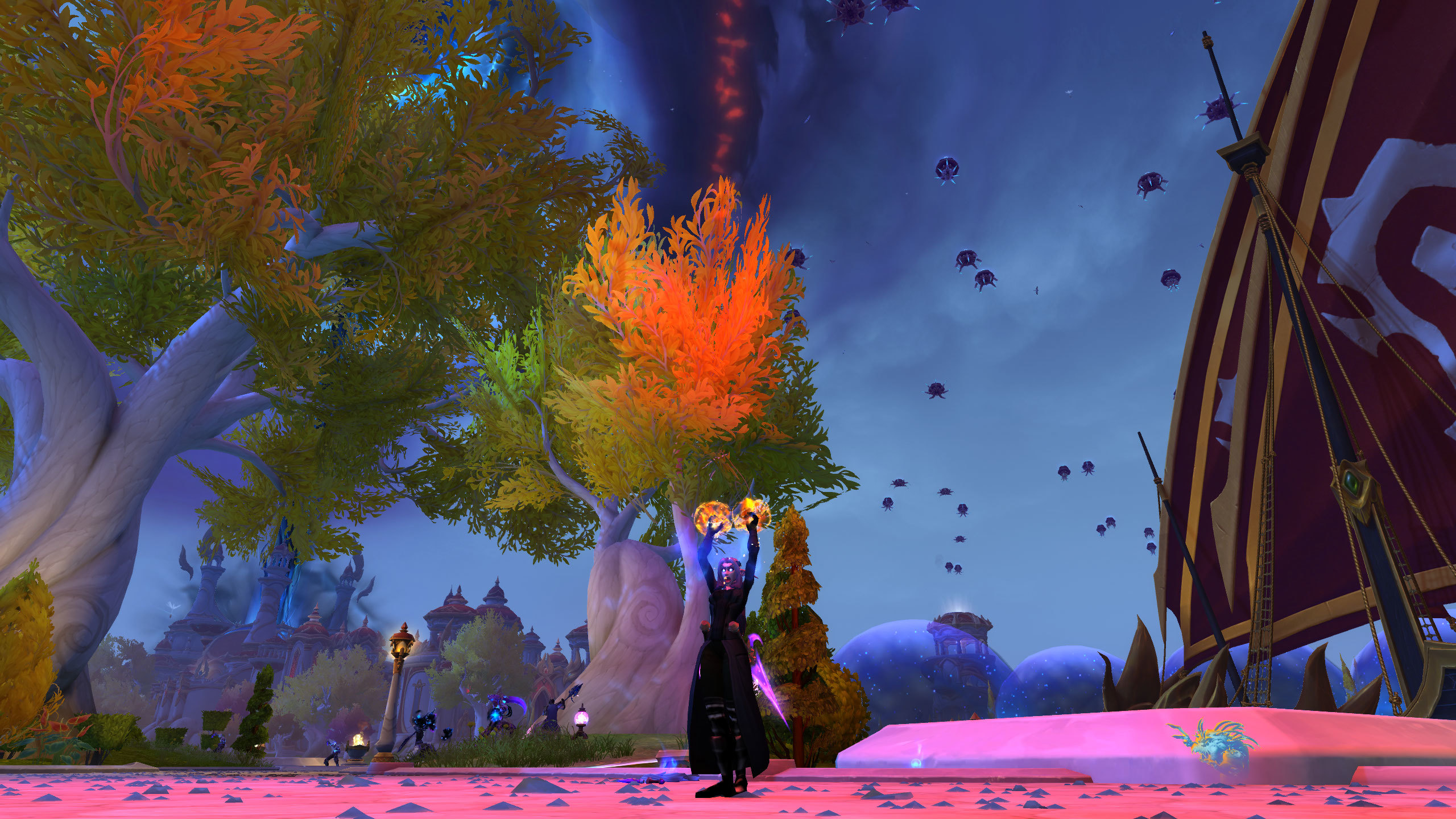
The most immediate way the game enforces scale is through architecture. From the monolithic obsidian towers of Blackrock Mountain to the sky-piercing spires of Icecrown, buildings in this world are designed to make the player look up. These structures serve as visual anchors, showing the remnants of empires that existed long before the player entered the conflict. By standing at the base of a wall that reaches into the clouds, the player feels the weight of the history surrounding them.
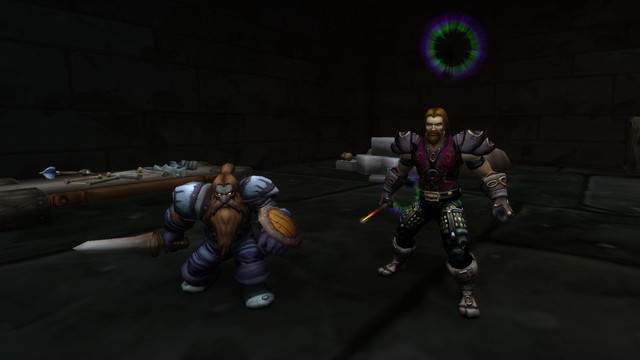
The proportion of interior spaces is equally vital. Vast throne rooms and expansive raid corridors force the player to move through space differently. When a player’s avatar is tiny compared to the environment, they move more cautiously, which creates a subconscious sense of humility. This feeling of being small in a big place is essential for maintaining the wonder of the fantasy genre, ensuring that the world never feels like a playground, but rather a dangerous, majestic kingdom.
The Presence of Giants
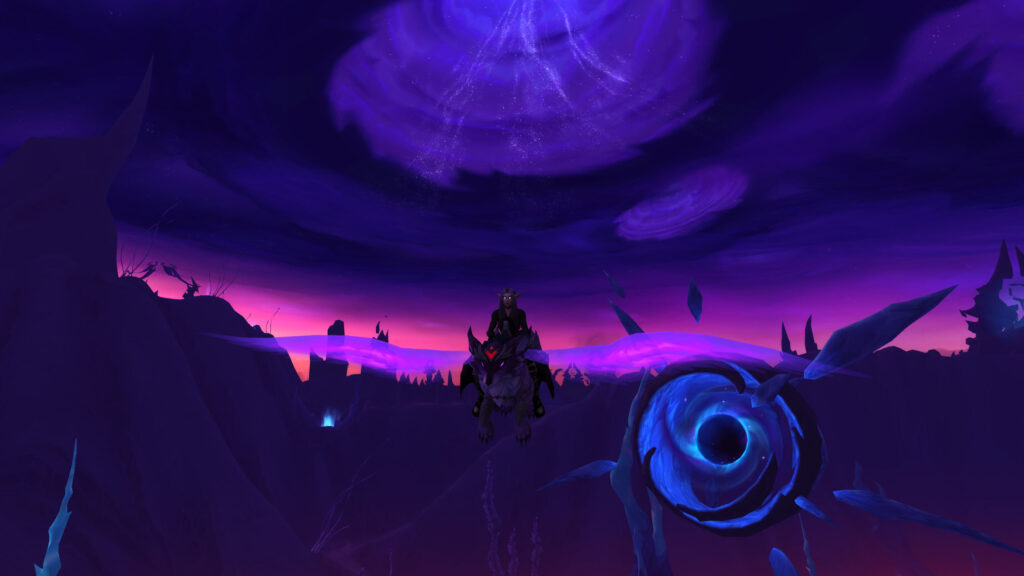
When you encounter a dragon or a Titan construct, the scale shift is drastic. Blizzard uses these encounters to reset the player’s perception of power. A dragon is not just a monster; it is a creature that fills the entire frame. By using animation and camera positioning to highlight the immense size of these creatures, the game forces the player to recognize that they are not the apex predator. This realization is what makes the defeat of such entities feel like a genuine accomplishment rather than a standard combat interaction.
Scale and Perception Metrics
| Method | Goal | Player Feeling |
|---|---|---|
| Massive Architecture | Emphasize the age of empires. | Feeling of being an outsider in history. |
| God-Sized Enemies | Highlight the power gap. | Sense of vulnerability and awe. |
| Wide-Angle Vistas | Show the breadth of the world. | Realization of how much is left to explore. |
| Vertical Level Design | Create physical obstacles. | A feeling of being lost in a vast territory. |
Living in the Shadow of Giants
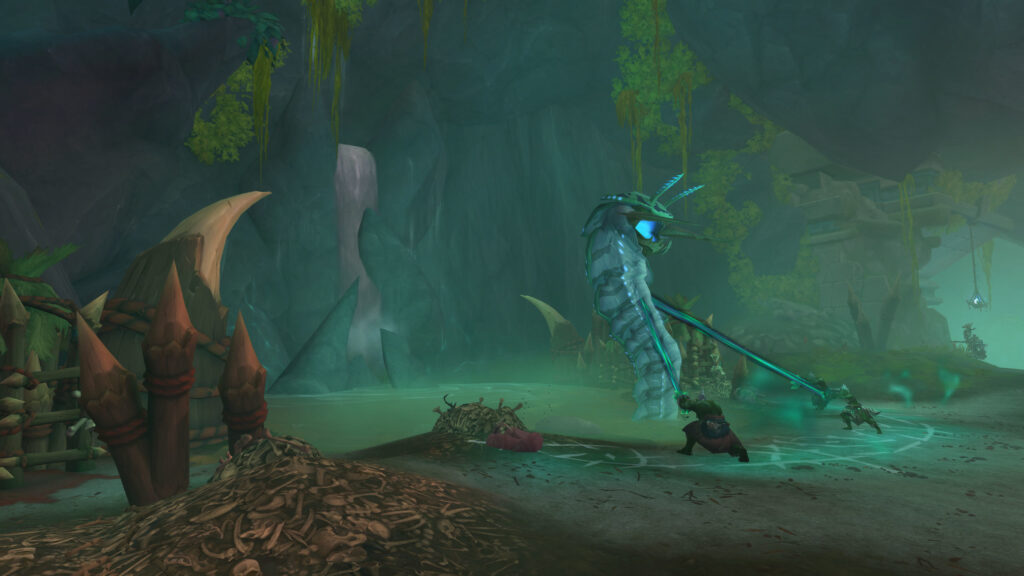
The ultimate success of this design is that it never gets old. Even after years of playing, entering a new zone with massive, looming features makes the player pause. This constant reminder of the scale of the world is what keeps the sense of adventure alive. It prevents the player from becoming too comfortable, ensuring that they remain a student of the world, always looking up at the next massive challenge.